Hairy Tarantula Spider Redwork: A Detailed Review
First Impressions and Visual Appeal
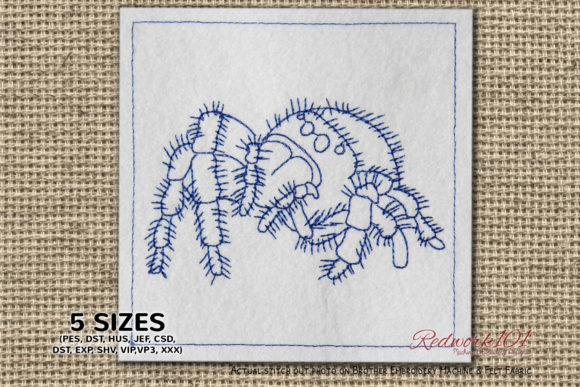
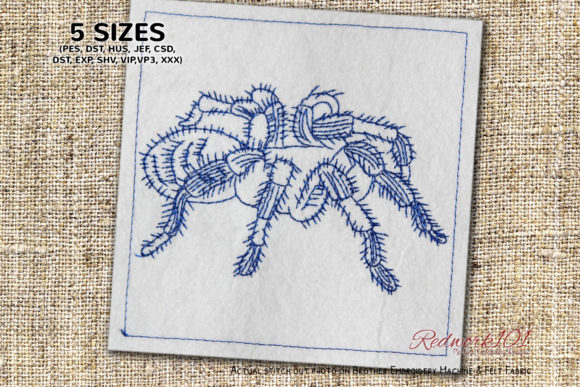
Upon first glance, the Hairy Tarantula Spider Redwork embroidery design exudes a striking and intricate charm. The level of detail in the spider's hairy texture and the overall design is impressive, making it a standout choice for those looking to add a unique and eye-catching element to their projects. The redwork style, with its single-color outline, adds a classic and timeless feel, perfect for both traditional and modern embroidery enthusiasts.
Suitability for Various Embroidery Projects
The Hairy Tarantula Spider Redwork is versatile and can be used on a wide range of items. Here are some practical applications:
- Tote Bags and T-Shirts: The bold and detailed design makes it ideal for adding a unique touch to everyday accessories like tote bags and t-shirts. The simplicity of the redwork style ensures that the design stands out without overwhelming the fabric.
- Baby Items and Nursery Decor: For a playful yet sophisticated look, this design can be embroidered on baby blankets, nursery wall hangings, or even crib bumpers. The fine details and the optional box stitch can add a charming and whimsical touch to these items.
- Home Decor and Handmade Gifts: Consider using this design on pillow covers, kitchen towels, or aprons. The design's versatility allows it to blend well with various home decor styles, from rustic to contemporary.
Performance in Real Embroidery Work
When considering the Hairy Tarantula Spider Redwork for real embroidery projects, several factors come into play:
- Small Hoop Sizes and Tiny Details: The design's intricate details require careful attention, especially when working with small hoop sizes. Ensure your machine can handle the fine details and test on scrap fabric to avoid any issues.
- Textured and Stretchy Fabrics: The design works well on smooth fabrics but may need adjustments for textured or stretchy materials. Use a stabilizer appropriate for the fabric type to maintain the design's integrity and prevent distortion.
- Dark Fabrics and Color Contrast: The redwork style typically uses a single thread color, so choose a high-contrast thread for dark fabrics to ensure the design stands out. Testing on both light and dark fabric mockups is recommended.
- Curved Surfaces and Layered Details: For projects like caps or curved surfaces, consider the design's placement and adjust the stitching as needed. The optional box stitch can be particularly useful for adding a framed look, but it may need to be resized or omitted for curved surfaces. Products That Need Frequent Washing: The design's durability is crucial for items that will be washed frequently. Use a quality stabilizer and ensure the stitches are secure to prevent fraying and wear over time.
Enhancing Product Value and Buyer Trust
Incorporating the Hairy Tarantula Spider Redwork into your handmade products can significantly enhance their value and appeal. Here’s how:
- Visual Appeal and Brand Consistency: The design's unique and detailed nature can help your products stand out, contributing to a consistent and recognizable brand image. This can be especially beneficial for Etsy sellers and boutique owners.
- Giftability and Customer Engagement: The design's versatility and charm make it an excellent choice for personalized gifts and seasonal items. Customers are likely to appreciate the thoughtful and high-quality embroidery, leading to increased engagement and repeat business.
- Product Photography and Mockups: The Hairy Tarantula Spider Redwork can be a focal point in product photography, adding a professional and polished look to your listings. Consider creating printable mockups to showcase the design on different products, helping potential buyers visualize the final product.
Practical Embroidery Notes
To ensure the best results with the Hairy Tarantula Spider Redwork, follow these practical tips:
- Test on Scrap Fabric: Always start by testing the design on a similar fabric to your final project. This helps you identify any potential issues and make necessary adjustments before embroidering the actual item.
- Check Thread Color Contrast: Choose a thread color that provides good contrast with the fabric. This is especially important for dark fabrics where visibility is key.
- Review Stitch Density: The design's stitch density should be suitable for the fabric and project. If the design appears too dense, consider adjusting the stitch count or using a lighter stabilizer.
- Confirm Hoop Size: Ensure your embroidery machine's hoop size is adequate for the design. Adjustments may be needed for smaller or larger hoops.
- Use Proper Stabilizer: Select a stabilizer that matches the fabric type and project requirements. This is crucial for maintaining the design's shape and preventing puckering.
- Inspect Small Details: After stitching, carefully inspect the small details to ensure they are clean and well-defined. Trim any loose threads and use a lint roller if necessary.
- Check File Details and Licensing: Before using the design for commercial purposes, review the file details and licensing information on the Creative Fabrica product page. This ensures you comply with all usage rights and restrictions.
The Hairy Tarantula Spider Redwork is a versatile and visually appealing embroidery design that can elevate a wide range of handmade and commercial projects. With careful planning and attention to detail, it can become a valuable asset in your embroidery toolkit.